
THE SOLUTION: INCLUSIVE HOUSING

What "Inclusive Housing" Actually Means

Inclusive housing isn't a specialized product or a niche category: it is simply housing designed so that people with and without disabilities can live as neighbors. This usually means mixed-income communities where units are physically accessible, support services are available but not mandatory, and residents aren't sorted by ability. In a truly inclusive community, diversity is valued, interdependence is supported, and all residents are afforded the same experiences.

When it's done well, inclusive housing benefits everyone. It's more affordable across income levels, more adaptable to changing needs over a lifetime, and more connected to the kinds of social networks that make communities resilient. The model exists and is working well in other states. We just need to bring it to Georgia.
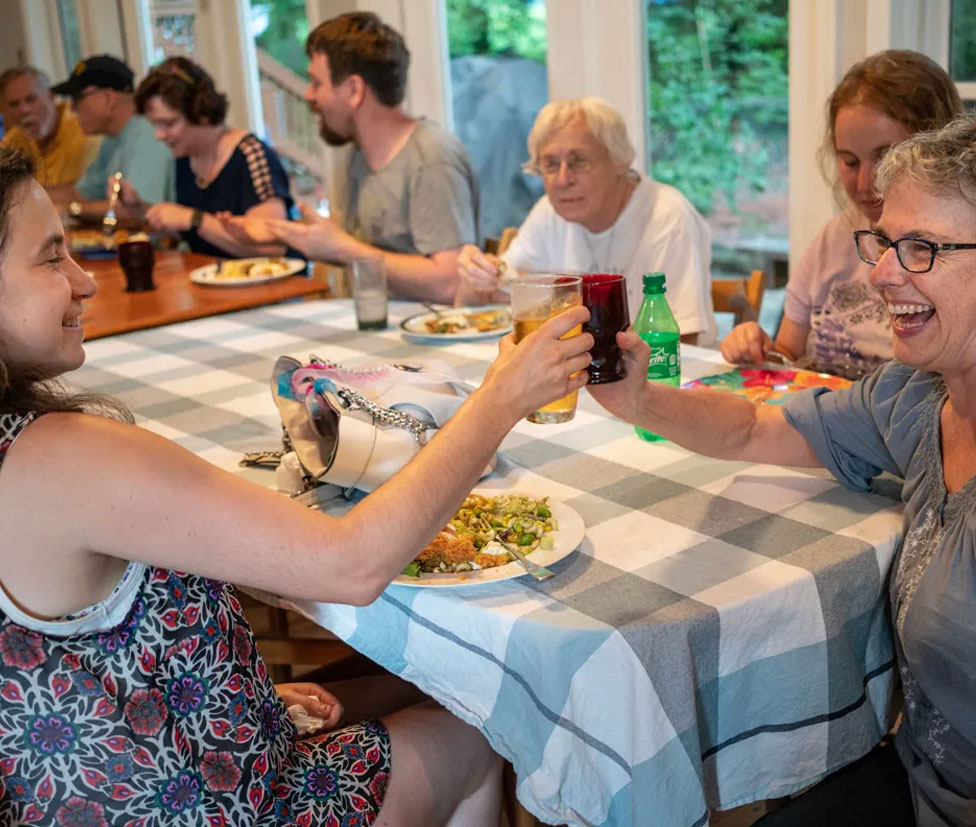
A group of people sitting around a table and having a meal
An image of Lois Curtis with a caretaker being received in a room at the White House
Artist Lois Curtis (center), one of the original plaintiffs in the Olmstead case, meets with President Obama in 2011, and presents him with one of her paintings. (Official White House photo by Pete Souza)
Why Inclusion?

Inclusion is a Legal Mandate

The institutionalization of people with disabilities was common throughout much of the 20th century. In 1999, the U.S. Supreme Court’s decision in Olmstead v. L.C. held that unjustified insitutionalization of people with disabilities violates the Americans with Disabilities Act. The Court affirmed that individuals with disabilities have a right to receive services in integrated community settings rather than being segregated in institutions.

Although the intended goal of community integration was undoubtedly a positive step for people with disabilities and their families, the execution has fallen short of the desired outcomes in most states.
The Future of Housing

The Blueprint Already Exists

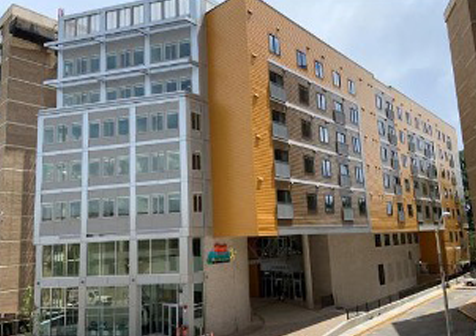
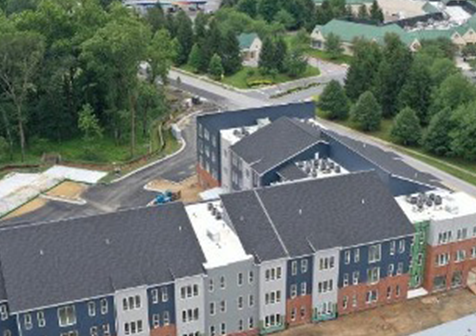
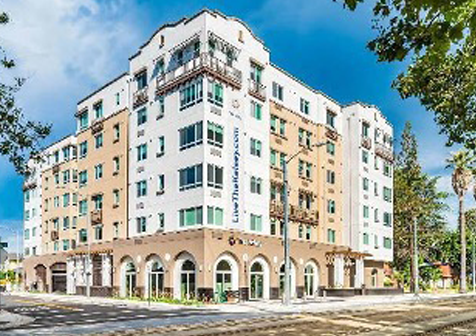
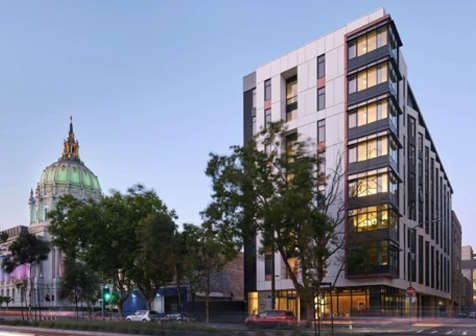
Organizations like The Kelsey in California are proving that disability-forward housing (inclusive, affordable, and accessible) can be built at scale, and that it works. Their developments in San José and San Francisco serve residents with a wide range of incomes, are designed to meet cross-disability access needs, and are operated with residential support to actively build community.
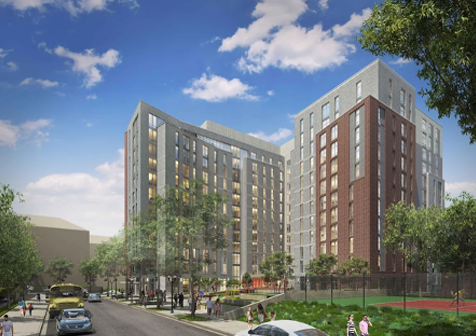
An architectural drawing of an inclusive housing community

Disability-Inclusive Communities
Outside of Georgia

A decorative silhouette of Georgia
IN oUR STATE

What We Propose in Georgia

As a leading advocate for disability-inclusive housing solutions in Georgia, Better Living Together’s core mission is to work with partners to bring more inclusive communities to our state. We support efforts where the intent is for people with and without disabilities to live and thrive together. We have had the opportunity to work with individuals and organizations who are trailblazers in their own right building smaller-scale, inclusive communities throughout Georgia.

We are also actively seeking a partnership with a mission-aligned housing developer who we can collaborate with to create an affordable, accessible, and inclusive community in the Atlanta metro area, that will serve as a prototype. Our model would have up to 25% of units set aside for people with developmental disabilities, individual supports for residents funded by Medicaid HCBS waivers, and residential assistance provided by an Inclusion Facilitator, who would serve all residents and build community. A priority for us is the self-determination of residents to choose where, with whom, and how they live.